
Tennessee Bans Sweepstakes Social Casinos Amid Ongoing Regulatory Efforts
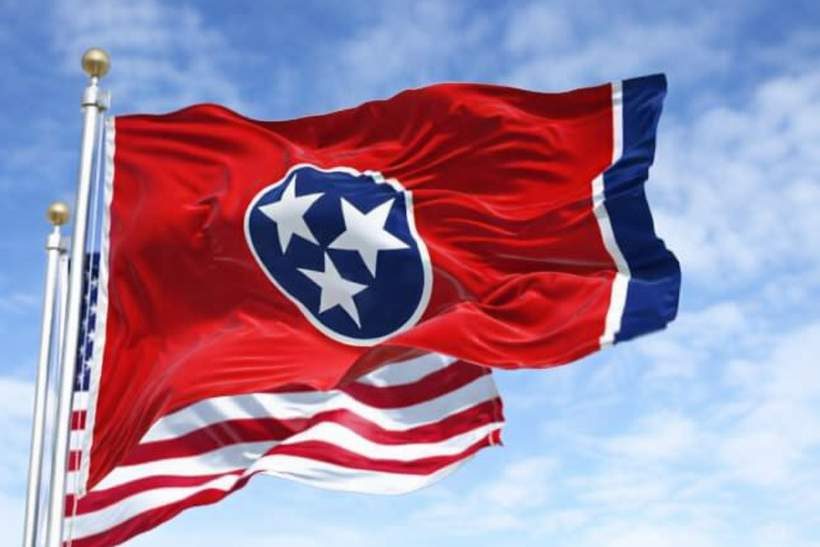
Tennessee Takes Action Against Sweepstakes Social Casinos
In recent developments, Tennessee has become the third state this year to officially prohibit sweepstakes social casinos, despite regulators being partially focused on the rise of prediction markets. State officials are addressing concerns about these platforms, which many view as unregulated versions of online gambling.
Concerns Over Dual Currency Systems in Sweepstakes Casinos
Critics argue that sweepstakes social casinos use dual currency models that allow players to gamble with digital tokens, which can later be exchanged for real-world prizes, including cash. This setup has raised significant legal questions, with opponents claiming it effectively operates as unregulated internet gambling.
In response, Tennessee passed Senate Bill 2136 and House Bill 1885, both of which were signed into law by Governor Bill Lee. The legislation explicitly prohibits the use of virtual, dual, or multiple currency systems in online casinos within the state.
Senator Ferrell Haile, who sponsored the bill, emphasized that the new law equips Tennessee with stronger measures to investigate fraudulent operators, hold them accountable, and shut down illegal activities that exploit players.
This crackdown addresses long-standing debates around the legitimacy of these sweepstakes models, particularly in states like Tennessee that do not permit traditional online casino gambling.
Support From State Officials and Similar Actions in Other States
Tennessee is not alone in its stance. Other states such as Maine and Indiana have also moved towards banning sweepstakes social casinos, with similar prohibitions set to take effect in 2026. Tennessee Attorney General Johnathan Skrmetti expressed approval of the new regulations, criticizing sweepstakes casinos for attempts to appear lawful while engaging in questionable practices.
While these efforts represent significant progress against sweepstakes social casinos, Tennessee continues to face challenges with other emerging sectors, notably prediction markets, which remain under state scrutiny.
