
Sweepstakes Face Legal Challenges with Multiple Class Action Lawsuits in Kentucky
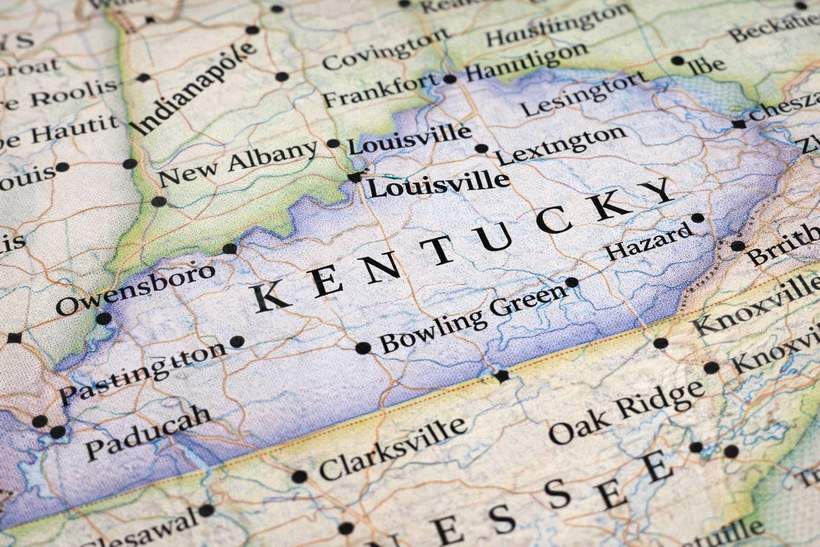
Legal Actions Target Sweepstakes Operators in Kentucky
Kentucky is currently confronting significant legal challenges in the sweepstakes industry, as eleven class action lawsuits have been initiated against major sweepstakes companies. These lawsuits claim that several prominent brands are operating unlawfully within the state.
Details of the Class Action Lawsuits
The lawsuits, publicly announced by gambling attorney Daniel Wallach, focus on leading companies such as Chumba Casino, Luckyland Slots, Modo, and ARB Gaming. These legal actions accuse the operators of breaching Kentucky laws by utilizing dual-currency gaming systems that effectively amount to illegal gambling activities.
Although sweepstakes businesses have faced scrutiny before, recent legal battles have largely centered on prediction markets. Sweepstakes platforms typically allow players to use digital tokens instead of real money, putting them in a legal gray area. While tokens can be purchased with actual currency, the nature of these transactions complicates their classification under current gambling regulations.
Broader Regulatory Context and State Comparisons
Wallach also pointed out that one defendant, ARB Gaming, is headquartered in Florida, a state with explicit laws against unregulated sweepstakes gambling. Florida updated its legislation in 2013 specifically to address such operations, with the Department of Agriculture and Consumer Services condemning casino-styled sweepstakes as incompatible with state law.
Kentucky’s Wider Enforcement Efforts Against Illegal Gambling
Beyond sweepstakes, Kentucky’s Attorney General has intensified efforts against unlicensed gambling by pursuing legal action against VGW, an online sweepstakes casino, as well as prediction market platforms Kalshi and Polymarket. These measures underscore Kentucky’s determination to restrict unauthorized gaming enterprises.
The regulation of prediction markets adds complexity to the issue, as the Commodity Futures Trading Commission (CFTC) asserts federal jurisdiction over these markets and has engaged in legal disputes with state regulators attempting to impose controls.
