
The Future of Greyhound Racing and Betting in the US Faces Uncertainty Following Farm Bill Approval
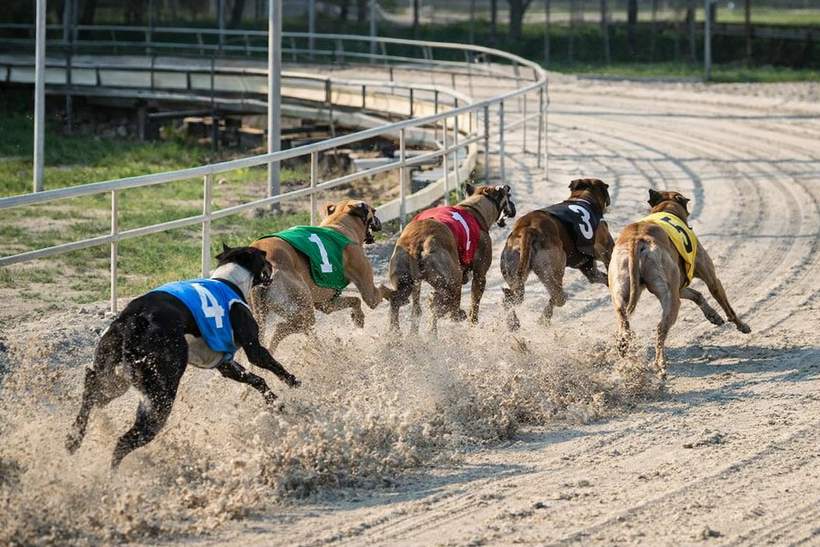
Federal Legislation Targets Greyhound Racing and Betting
The Greyhound Protection Act of 2025, embedded within the Farm, Food and National Security Act of 2026 recently approved by the U.S. House of Representatives, aims to prohibit greyhound racing nationwide. This significant legislative move seeks to amend the Animal Welfare Act by banning commercial greyhound races as well as any betting associated with them.
Potential Nationwide Ban and Legal Repercussions
If this bill becomes law, it would criminalize the organization of greyhound races involving wagering, the operation of simulcast betting, and activities such as breeding, transporting, or training greyhounds for racing purposes. Violators could face severe penalties, including heavy fines and prison sentences of up to seven years.
State-Level Impact: West Virginia Tracks at Risk
Concerns about animal welfare prompted the bill’s creation last fall. Should the bill pass Senate approval and be enacted, it could force the closure of the last two greyhound racing venues in the country — Wheeling Island Casino Hotel Racetrack and Mardi Gras Casino & Resort, both located in West Virginia. These tracks might have to halt their racing operations unless federal actions are modified.
Political Controversy and Opposition
Riley Moore, a Republican representing West Virginia’s 2nd District, supported the bill but previously introduced an amendment to exempt his state’s tracks from the ban, which was rejected by a 239–187 vote. Moore expressed disappointment and frustration toward lawmakers on both sides, arguing that racing regulation is a matter best handled at the state level rather than by federal government intervention. He also highlighted a perception of excessive federal focus on industries critical to West Virginia’s economy, including coal, greyhound racing, natural gas, and steel.
Economic Considerations and Local Support
Wheeling’s local officials emphasize the economic importance of greyhound racing, pointing to jobs and revenue generated by the industry. Robert Herron, Wheeling City Manager, noted the city’s repeated appeals to legislators about the sector’s local value and advocated for such decisions to remain under state jurisdiction instead of federal control.
Advocates Praise the Bill as a Victory for Animal Welfare
Supporters of the legislation, such as Carey Theil, executive director of GREY2K USA Worldwide, an organization dedicated to greyhound protection, view the House’s passage of the bill as a landmark achievement. Theil described it as the result of persistent efforts by grassroots advocates and rescue groups committed to improving dog welfare nationwide.
Decline of Greyhound Racing Across the Country
Greyhound racing has already been outlawed in 44 states, with several others banning wagering on the sport since 2022. These states include Arizona, Arkansas, Colorado, Connecticut, Kansas, Massachusetts, and New Hampshire. The remaining activity in West Virginia is partially sustained by state subsidies exceeding $19 million annually.
Industry Challenges and Future Outlook
The company owning the last two active tracks, Delaware North, reportedly intends to exit the greyhound racing business. However, current laws require it to maintain racing operations to keep its casino licenses active. The bill threatens to end this last bastion of greyhound racing and betting in the U.S., marking a major shift in the industry’s future.
