
Wisconsin Senate Approves Online Sports Betting Legislation
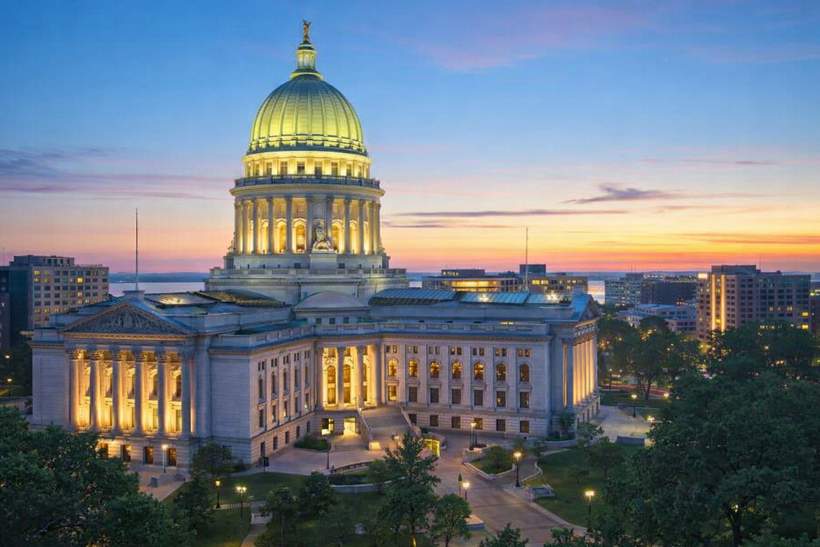
Senate Passes Assembly Bill 601 Advancing Online Sports Betting in Wisconsin
Assembly Bill 601, which permits tribal casinos in Wisconsin to offer online sports betting, recently passed the state senate with a bipartisan vote of 21 to 12. This marks a significant step forward for legalized online sports gambling in the state as the bill now moves to the governor for consideration.
Overview of Assembly Bill 601 and Its Framework
The proposed legislation introduces a sports betting system inspired by Florida’s “hub-and-spoke” model. Under this system, all wagers must be processed through servers physically located on tribal lands. This framework bolstered support for the bill by providing a tested blueprint based on Florida’s experience.
This structure would effectively grant Wisconsin’s tribal casinos exclusive rights over online sports betting, making Wisconsin the 40th state to legalize this type of gambling. Although commercial operators may partner with tribes for branding and technology services, federal regulations require that at least 60% of generated revenue be returned to the tribes involved.
Concerns and Opposition Surrounding the Bill
The 60% revenue-sharing requirement has faced criticism, particularly from the Sports Betting Alliance (SBA). SBA representative Damon Stewart argued before the senate vote that such a high revenue share demands makes it economically unfeasible for commercial operators to enter the market in Wisconsin. This challenge could limit competition and innovation in the state’s online sports betting industry.
In addition, some lawmakers voiced concerns about the social costs associated with expanded gambling. Senator Andre Jacque from New Franken, one of the bill’s opponents, highlighted the risks that increased gambling access could disproportionately affect vulnerable populations, warning that revenues come from losses often borne by those least able to afford them.
Remaining Challenges Before Full Legalization
Although the bill has made rapid progress, several significant obstacles remain before online sports betting becomes operational in Wisconsin. The state must negotiate new gaming compacts with its 11 tribal nations, which requires approval from the federal Bureau of Indian Affairs. These legal and administrative steps are crucial for the bill’s implementation.
Public opinion also presents challenges, as surveys indicate that more than 60% of Wisconsinites oppose legalizing online sports betting. This opposition may create political pressure and influence final decisions on the legislation’s future.
Governor Tony Evers, who will ultimately decide whether to sign the bill into law, has expressed a cautious stance. While he has stated willingness to support the legislation if it enjoys tribal approval, he has recently noted that not all tribes are in agreement about allowing online sports betting.
