
Virginia Lawmakers Approve New Regulatory Body Bill, Reject iGaming & Skill Games
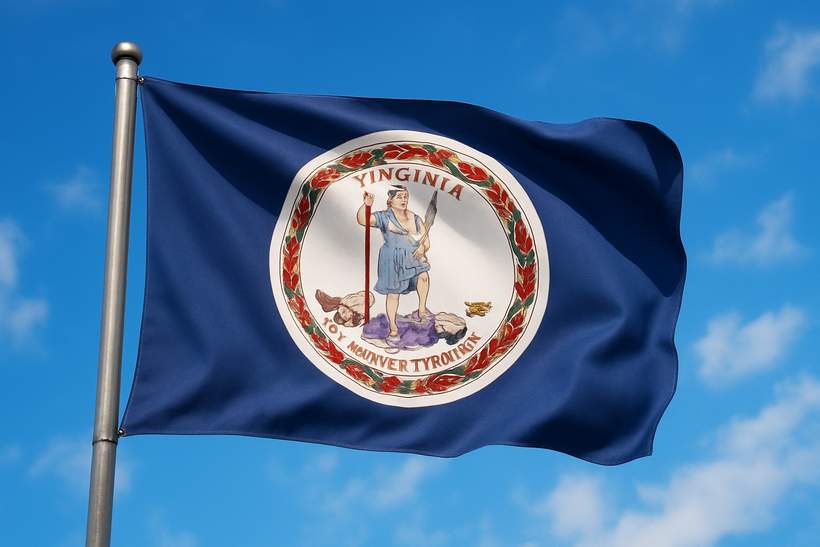
Virginia’s legislative session has progressed with notable developments in gaming legislation. While there is consensus on the need to establish an official gaming regulator, opinions differ when it comes to online casino gaming and skill-based games.
Establishment of a New Gaming Regulator Takes Priority
A significant advancement is the approval of the Virginia Gaming Commission bill (SB 195), which aims to form an independent regulatory agency specifically for gaming activities. Currently, the Virginia Gaming Commission oversees gaming in the state.
This bill consolidated a similar proposal (SB 558) and passed decisively through the Senate subcommittee, highlighting the priority placed on creating a dedicated regulatory authority.
Alongside this, a bill to authorize a casino in Fairfax County (SB 756) has moved forward and is now under review by the Finance Committee. The goal of this legislation is to establish a new casino venue that will retain gambling revenue within Virginia rather than allowing it to flow into neighboring Maryland. If fully approved, the final decision will rest with Virginia’s voters.
Additionally, the legislature unanimously approved SB 129, which intends to strengthen regulations surrounding sports betting. This bill aims to prevent ambiguity between daily fantasy sports and traditional sports betting, requiring fantasy sports operators to pay a licensing fee of $50,000 before offering services. Moreover, these operators will be taxed at a rate of 10% of their revenue.
Skill Games and Online Casinos Face Opposition
Despite widespread agreement on the necessity of a new regulatory body, there was less unanimity regarding the legalization and regulation of skill games and online casino gambling. Bills SB 661 (skill games) and SB 118 (online gaming) were introduced to regulate these sectors.
The proposal for skill games sought to bring this controversial area under formal regulation as a recognized form of gaming entertainment. However, it did not pass the subcommittee, and even if it had, there was uncertainty due to a previous veto of a similar bill by the Governor.
Meanwhile, the bill proposing legalization of online casinos in Virginia was also rejected. Supporters argued that regulating online casinos would curb illegal black market activity. However, the subcommittee concluded that the bill lacked adequate measures to ensure responsible gambling and player protection.
Nonetheless, another House bill (HB 161) aimed at online casino legalization remains active, indicating ongoing efforts to bring this form of gaming to Virginia in the future.
