
Vietnam’s Gambling Industry Sees a Shift with Ho Tram Opening to Local Players
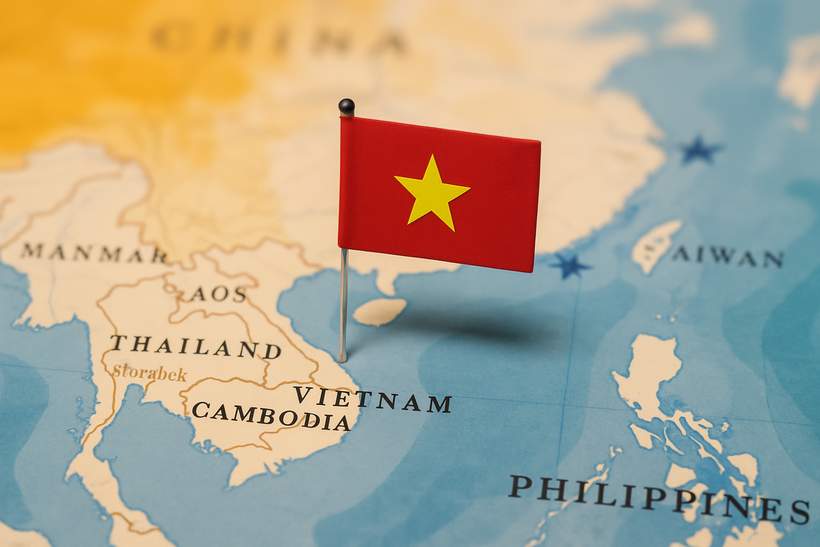
Vietnam’s Strategic Move Towards Inclusive Gaming
Vietnam has taken a significant step in its gambling sector by permitting local residents to participate in gaming activities at The Grand Ho Tram for the first time. Previously, casinos primarily served international visitors, but this shift signals a cautious yet promising expansion of the domestic gaming market. With regulations and controls in place, both the government and casino operators stand to gain from this carefully managed growth.
Changes and Responsible Gaming Initiatives at Ho Tram
The integrated resort launched in 2017 at Hồ Tràm is positioning itself to lead with a strong commitment to responsible gaming. It has announced the introduction of world-class responsible gaming measures as a core aspect of its operations.
Additionally, the resort is participating in a government-backed five-year pilot program allowing local casino engagement. This initiative has driven the adoption of a Responsible Gaming Framework modeled after successful standards from leading gaming jurisdictions such as Macau and Singapore.
Industry analysts believe this domestic inclusion could reduce local gamblers traveling abroad, particularly to neighboring countries, while simultaneously boosting investments and growing Vietnam’s status as a regional gaming hub.
Lessons from Regional Gaming Markets
Looking at established markets, Macau’s performance highlights the benefits of a mature and well-regulated industry. In November, its gross gaming revenue reached $2.64 billion, marking a 14.4% increase year-over-year and bringing the total close to $28.32 billion, nearing government forecasts for the year.
This example underscores how effective regulation balanced with opportunity can foster stable and lucrative gaming environments that benefit both the state and casino operators.
Notable Regional Industry Developments
Beyond Vietnam, other gambling markets in the region are also evolving. Australia’s Star Entertainment has undergone major board restructuring with key additions from Bally’s leadership, reflecting a $196 million investment aimed at revitalizing the company and boosting its global presence.
Genting Malaysia has reported stronger-than-expected earnings in the third quarter, largely due to the success of Resorts World Genting.
Macau continues its infrastructure improvements by increasing its taxi fleet with 800 new vehicles and advancing legislation for ride-hailing services. On the operational front, Resorts World Sentosa has appointed Chen Si as its new Chief Operating Officer.
Furthermore, Genting is positioning itself as a leading contender for a casino license in New York, demonstrating the expanding international ambitions of major operators originating from the Asia-Pacific region.
