
South Dakota Shifts Casino Tax Revenue Toward Public Infrastructure
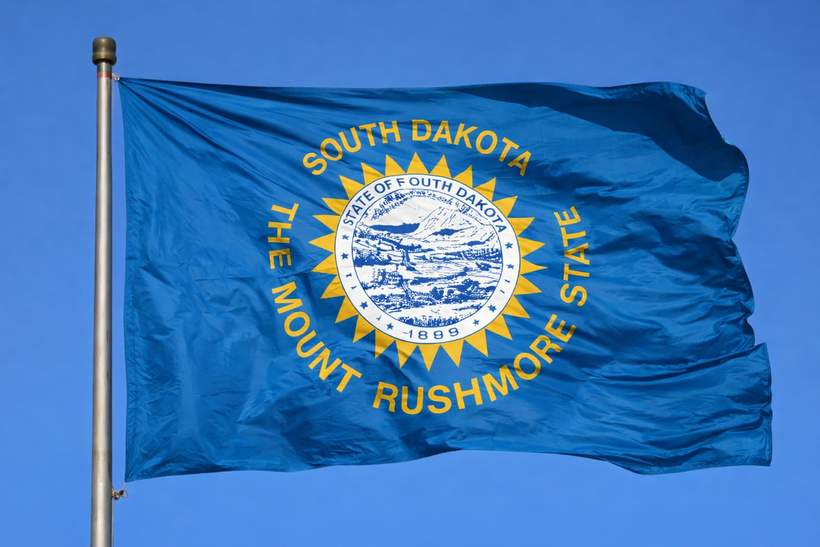
Governor Larry Rhoden Signs Senate Bill 102
South Dakota’s Republican Governor Larry Rhoden has approved Senate Bill 102, which modifies the way casino tax revenue generated in Deadwood is allocated. Deadwood is notable as the only location in the state—apart from tribal territories—where full-scale casino gambling is legally allowed. This bill redirects a share of the funds that previously went to the state directly back to the city of Deadwood.
Setting a Cap and Supporting Local Growth
The legislation introduces a cap on taxable gaming revenue in Deadwood, which surpassed $150 million last year. A portion of the casino earnings will now be reinvested into public infrastructure projects such as road improvements and other community development efforts. This is intended to foster economic diversification beyond gaming, helping Deadwood support a wider range of industries. City officials involved in historic preservation emphasize that this financial shift will enable the city to continue expanding and contributing strongly to South Dakota’s overall economy.
Economic Diversification Through Revenue Redistribution
Historically reliant on its gaming industry, which has seen notable growth in recent years, Deadwood aims to broaden its financial base. Through Senate Bill 102, an estimated additional $800,000 could be added annually to Deadwood’s budget by channeling tax revenues into infrastructure and other non-gaming local business support.
How the Tax Revenue Distribution Changes
Currently, casino tax revenue is divided among several entities, including Deadwood’s historic preservation fund, the state tourism fund, the South Dakota Gaming Commission, the state general fund, Lawrence County, a statewide historical grant fund, and programs addressing gambling addiction. Deadwood’s share is capped at $6.8 million. After those distributions, the remaining gaming tax revenue is split with 70% allocated to the state general fund and 30% shared between local governments in Lawrence County and Deadwood’s historic preservation efforts.
With the new law, the $6.8 million cap for Deadwood’s initial allocation will be removed. The revised distribution formula designates 71% of the leftover revenue to Deadwood’s historic preservation fund, 25% to the state general fund, and the remaining portion divided among other Lawrence County municipalities and the Lead-Deadwood School District. This change aims to prioritize local heritage conservation alongside broader municipal support.
Additional Legislation on Cigar Bars
Governor Rhoden also signed House Bill 1215, allowing local counties and cities to issue licenses for cigar bars. This marks a change from the longstanding 2010 ban that prohibited smoking inside public buildings, including restaurants, casinos, and bars, while grandfathering in three pre-existing cigar bars located in Sioux Falls, Rapid City, and Deadwood under strict conditions. The new law permits new establishments to operate cigar bars with appropriate local licensing, expanding opportunities for these venues throughout South Dakota.
