
Ohio References Massachusetts Ruling in Its Legal Dispute with Kalshi
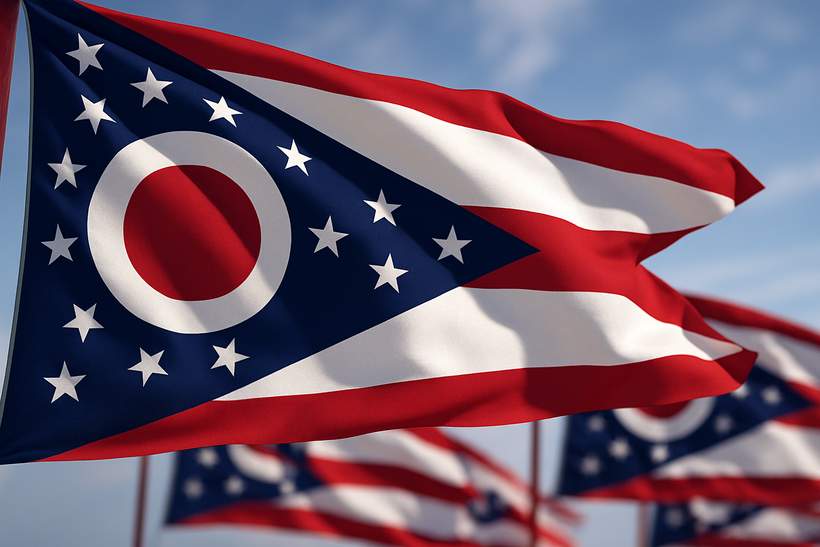
Ohio Joins Nationwide Effort Against Prediction Markets
Recently, a notable court decision in Massachusetts has set an important precedent for regulators across the United States who are challenging the expanding prediction markets industry. This decision has not only influenced regulators in various states but has now been cited by the Ohio Casino Control Commission (OCCC) in its legal actions against prediction market companies.
Shifting Dynamics in the Battle Over Prediction Markets
Prediction markets like Kalshi maintain that their offerings are financial instruments regulated by the Commodity Futures Trading Commission (CFTC). However, state regulators and gaming authorities argue that these markets essentially function as gambling activities, placing them outside the scope of federal financial oversight.
While earlier attempts to regulate or restrict these platforms have seen varying success, recent developments indicate that the regulatory tide may be turning against prediction markets.
In Massachusetts, a Suffolk County Superior Court judge ruled in favor of the state’s Attorney General, who had sought an injunction to halt Kalshi’s operations within the state. Consequently, Kalshi was compelled to cease its services in Massachusetts, at least temporarily.
This legal outcome has since served as a benchmark, empowering other states to intensify their regulatory challenges against prediction market platforms.
The Massachusetts Decision Resonates Across Multiple States
Shortly after Nevada referenced the ruling from Massachusetts in its own proceedings, Ohio also invoked the same case to support its actions against prediction market providers.
The dispute dates back to spring 2025, when the OCCC ordered several prediction market operators, including Kalshi, Crypto.com, and Robinhood, to stop their activities. Kalshi responded by initiating legal challenges, asserting that its CFTC license should override state directives.
The company sought a preliminary injunction to keep operating in Ohio, but the OCCC bolstered its case by citing the Massachusetts judicial decision, aiming to curtail Kalshi’s presence in the state.
Ohio is not alone in this approach; states such as Nevada, New York, New Jersey, and Tennessee have similarly referenced the Massachusetts ruling in their ongoing legal battles against Kalshi and other prediction market platforms.
