
New Jersey Lawmakers Reintroduce Legislation on Casinos and Smoking
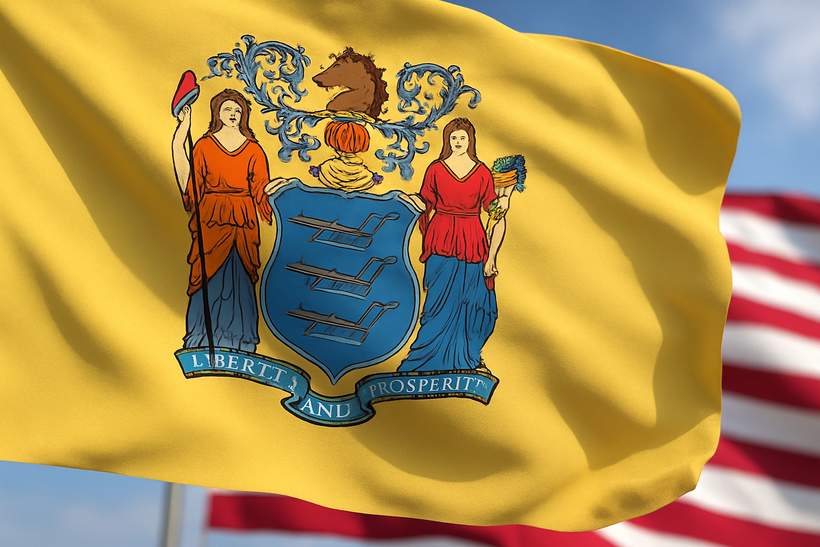
The Ongoing Debate on Casinos and Smoking in New Jersey
The discussion surrounding the regulation of casinos and smoking in New Jersey remains highly active as legislators have reintroduced two key bills. These proposals aim to extend casino operations to new locations within the state while simultaneously imposing strict restrictions on smoking inside existing gambling establishments.
Since the bills failed to pass during the previous legislative session, their proponents are restarting the process in the 2026 session. At the onset of this session, both measures were presented again and are set to progress through committee evaluations, Senate and Assembly votes, and ultimately require approval or veto by Governor Mikie Sherrill.
Ending the Smoking Exemption in Casinos
One significant proposal, known as Senate Bill 212, intends to eliminate the current exemption in the New Jersey Smoke-Free Air Act that permits smoking inside casinos and simulcasting venues. Although smoking is banned in most indoor public places across the state, casinos have remained one of the few exceptions.
Sponsored by Senators Shirley Turner and Joseph Vitale, this bill has garnered bipartisan co-sponsors. If passed, it would close this loophole by completely prohibiting smoking in all 35 casinos and simulcasting facilities, including any indoor public areas or workplaces within these establishments where wagering occurs.
The legislation would come into effect 90 days after its enactment, ensuring a smoke-free environment in gambling venues.
Proposing Expansion of Casino Gaming to Racetracks
Another important proposal, Senate Concurrent Resolution 66 (SCR66), has been introduced to seek a constitutional amendment allowing the expansion of casino gaming to racetracks such as Monmouth Park and the Meadowlands.
Sponsored by Senators Vin Gopal and Paul Sarlo, this amendment would grant the legislature authority to regulate these new gaming operations. This includes determining the types of games allowed, setting rules, and establishing taxation policies.
The revenue generated from these expanded gaming options would be allocated strategically: 45% toward reducing property taxes, 20% dedicated to special education funding, and 10% each directed to the state pension fund, cost-of-living increases for retired workers, and promoting Atlantic City tourism. The remaining 5% would support the management of the horse racing industry, including both running and harness racing sectors.
