
New Hampshire Proposes Expanding Charitable Gaming Access for More Nonprofits
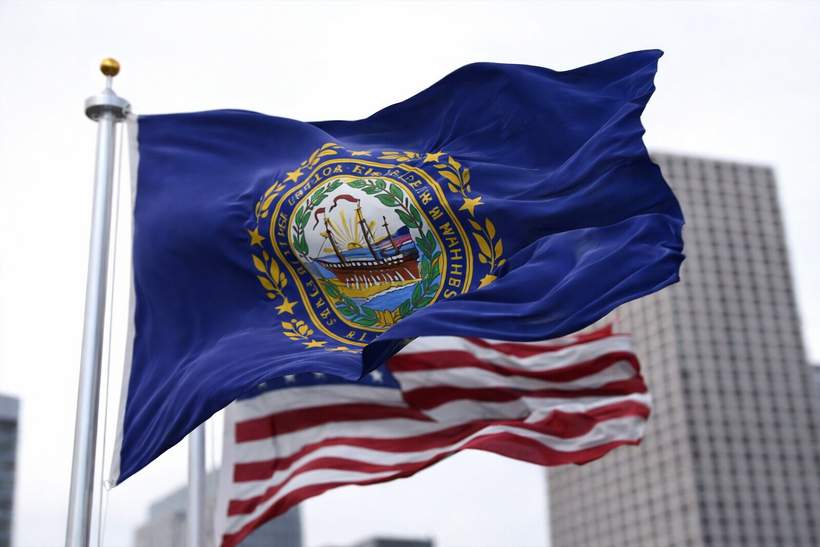
Expanding Charitable Gaming Access in New Hampshire
Lawmakers in New Hampshire are considering new legislation aimed at allowing a greater number of state nonprofit organizations to benefit from the state’s charitable gaming system. The bill, known as SB 542, has already received approval in the New Hampshire Senate and is currently under review by the House Ways and Means Committee. With strong bipartisan backing, the bill has a promising chance of becoming law.
Increasing Funding Opportunities for More Nonprofit Groups
If passed, SB 542 would modify the current system by reducing the maximum number of days a single charity can partner with a casino annually, while opening the door for many additional nonprofits to participate. Currently, New Hampshire’s 14 charitable gaming venues are required to allocate a portion of their earnings to nonprofit organizations serving as official beneficiaries during designated gaming days.
Proponents of the bill believe the existing structure favors well-established charities that maintain recurring partnerships with casinos, often up to ten beneficiary days per year. This limits the opportunities for smaller nonprofits to collaborate with gaming venues. By lowering the cap on beneficiary days from 10 to 7, the bill could significantly increase the overall number of nonprofits that benefit without substantially impacting the revenues of those already involved.
Senator Tim Lang, who introduced SB 542, highlights that this change could expand the number of charities benefiting at each casino from about 73 to over 100 annually, thus broadening charitable outreach.
Growth and Revenue Trends in New Hampshire’s Gambling Industry
The charitable gaming sector in New Hampshire has seen rapid revenue growth, which supports claims that existing charities would not experience major losses from the proposed changes. In 2025, gaming venues generated more than $60 million for nonprofit organizations through table games and historical horse racing machines. The arrival of video lottery terminals in 2026 is expected to further increase these revenues by introducing high-volume wagering machines.
Senator Lang notes that even if some long-standing charities see a slight drop in beneficiary days, the growing revenue from expanded gaming options will likely restore their funds to previous levels within a couple of years.
Despite recent hikes in the state gambling tax, nonprofits continue to receive a significant share of the gambling proceeds—about 35% of the gross income from table games and a portion from historical horse racing machine earnings. This same percentage will apply to video lottery terminal revenues after applicable taxes.
Concerns and Community Connections in the Charitable Gaming Landscape
While the bill enjoys support, it has stirred debate regarding equity and geographic distribution of benefits. Critics argue that casinos tend to favor nonprofits located close to their facilities, making it challenging for smaller or remote organizations within the state to gain access. Supporters respond that maintaining regional partnerships helps foster strong ties between gaming venues and local communities, reinforcing the social benefits of charitable gaming.
