
Nevada Targets Kalshi with Potential Legal Action Over Prediction Markets
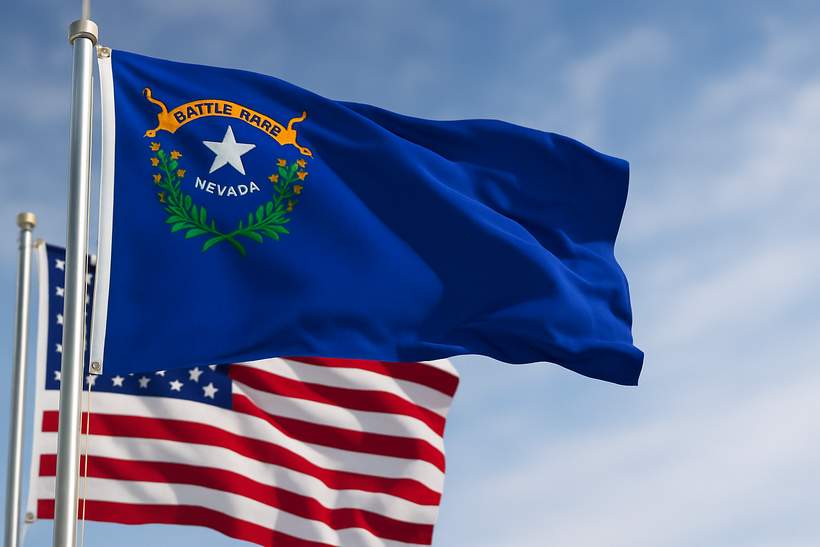
Nevada’s Ongoing Battle with Prediction Markets
Nevada continues to ramp up its scrutiny of prediction markets, with recent discussions about initiating civil enforcement proceedings against Kalshi, a leading platform in this emerging sector. This development follows Nevada’s notable decline in Super Bowl betting activity since the repeal of PASPA.
Understanding the Emerging Prediction Market Landscape
Prediction markets offer a new form of entertainment where participants buy yes-or-no shares based on the outcomes of various events. Unlike conventional sportsbooks that set odds and accept bets against the house, these platforms operate on a peer-to-peer model, allowing users to wager against each other directly.
Currently regulated by the Commodity Futures Trading Commission (CFTC), prediction markets are allowed to function across most states, including those where traditional gaming is not legalized. This regulatory latitude has sparked resistance from conventional sportsbooks, tribal gaming entities, and state regulators, who view these marketplaces as bypassing established gaming laws.
Heightened Legal Pressure on Kalshi
Nevada officials have informed the Ninth Circuit US Court of Appeals about their intention to pursue civil enforcement actions against Kalshi. This move comes as Kalshi experiences significant growth in its trading volume, even as traditional sports betting declines within Nevada.
The authorities argue that Kalshi’s continued business expansion during the appeals process undermines efforts to maintain the status quo. Additionally, regulators accuse the platform of facilitating sports betting without adhering to the strict regulations that govern traditional sportsbooks, thereby gaining an unfair competitive advantage.
Since Nevada gaming laws must be enforced, authorities are prepared to take legal action to uphold these regulations and address the perceived infractions by Kalshi.
Legal expert Daniel Wallach views this strategy as advantageous for Nevada, suggesting that it could expedite resolution and avoid prolonged delays that might have otherwise allowed Kalshi to operate without restriction while awaiting court decisions.
