
Mount Airy Casino Workers Secure $2.3M Settlement in Unpaid Wages Lawsuit
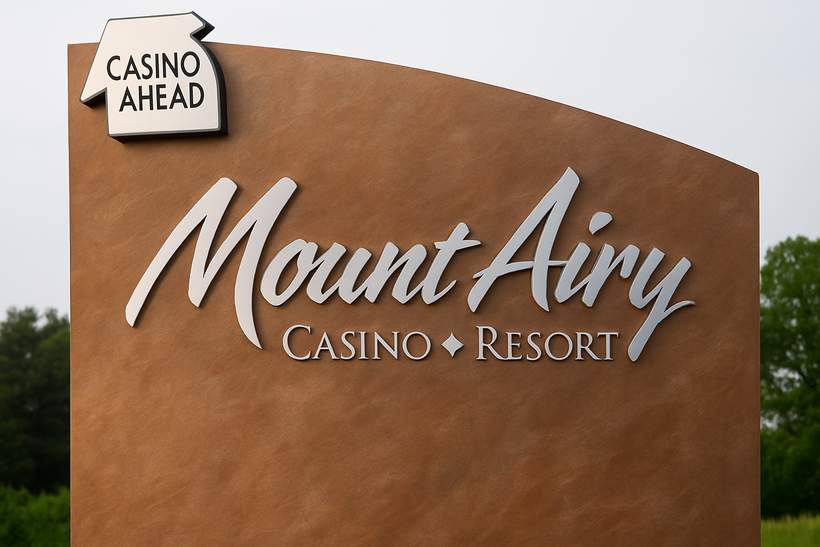
Mount Airy Casino Employees Reach $2.3 Million Settlement in Wage Dispute
Employees at Mount Airy Casino Resort have successfully concluded a longstanding legal dispute with the casino by securing a $2.3 million settlement. This resolution follows a class-action lawsuit centered on allegations of unpaid wages and overtime, ending a conflict that has persisted for over two years. This victory aligns with similar successful cases in the casino industry, including notable actions at Wynn Las Vegas.
Distribution of Settlement Funds Among Employees
The federal court-approved settlement covers nearly 700 current and former workers at the Pennsylvania-based casino who were employed between February 7, 2022, and May 8, 2025. From the total settlement, at least $1.47 million will be distributed directly to those affected employees. The remainder will cover legal fees, litigation expenses, and administration costs.
The compensation amounts are substantial, with most eligible workers receiving payments averaging over $2,000. The minimum payout for any participant will be no less than $100. The final approval hearing is scheduled for February 19, where class members can also choose to exclude themselves from the settlement if they wish.
The case was initiated in February by Jennifer Mak from Cresco and William Neidig from Whitehall, both former table games dealers who depended significantly on tips to supplement their earnings. The lawsuit claims Mount Airy violated federal and state wage regulations, leading to the request for class-action status so that all affected employees could benefit from the suit.
Core Allegations of the Lawsuit
Initially involving around 100 employees, the lawsuit expanded its scope to include up to 696 affected individuals as the claims became clearer. The central allegations include paying tipped employees less than minimum wage without appropriately informing them that a tip credit was being applied by the casino.
Additional claims state that dealers were required to pool their tips, which were then distributed to supervisors and managers who earn considerably higher hourly wages. The lawsuit also accused the casino of implementing unfair methods for calculating work hours and overtime, resulting in significant unpaid wages.
Management and legal representatives of the casino have not provided public comments regarding the settlement. This settlement places Mount Airy alongside an increasing number of casino operators that have resolved similar wage disputes, as courts and regulators more closely examine casino tip pooling and timekeeping practices.
This case highlights the growing momentum within the casino workforce to push for fair treatment and financial justice through collective action, showing that united efforts can bring about meaningful improvements.
