
Las Vegas Faces Job Losses in 2025 Amid Declining Tourism
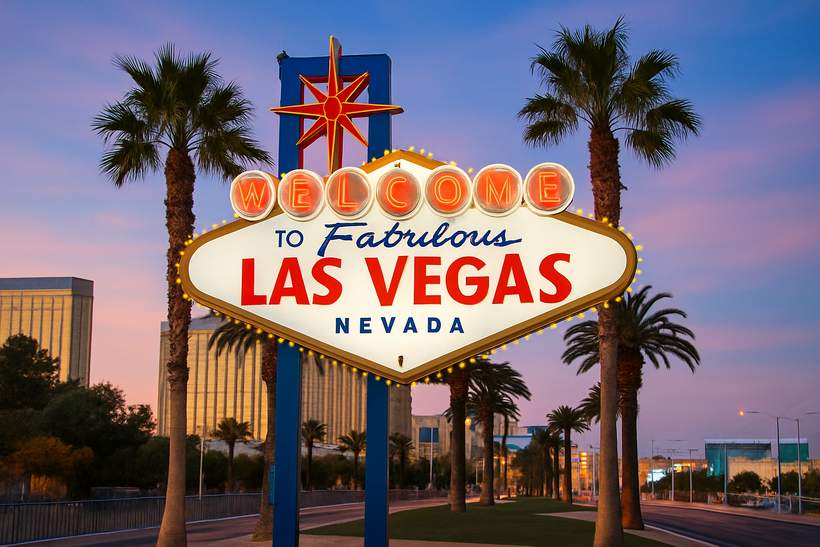
Las Vegas Ends 2025 with Job Losses and Declining Visitor Numbers
Las Vegas concluded 2025 confronting significant economic challenges as new employment reports revealed a loss of thousands of jobs alongside a continued downturn in tourism. Data released in early January indicated that from September to November, approximately 4,700 jobs were cut in the metropolitan area, underscoring the fragile state of the city’s tourism-dependent economy.
Tourism Drop Triggers Employment Reductions in Key Sectors
The job reductions primarily affected two major segments of Nevada’s workforce: the leisure and hospitality sector, and the construction industry. Hotels, restaurants, and entertainment venues reduced staffing levels due to fewer visitors, while construction companies slowed hiring post-completion of several major projects, according to local reports. Although there were job gains in trade, transportation, and utilities, they were insufficient to offset the overall employment decline.
Industry experts noted that while the overall job market remains relatively stable, disparities exist among sectors. Certain fields, such as construction and financial services, are facing considerable difficulties. Interestingly, wages in these struggling industries have risen, which complicates assessments of the labor market’s health as the year closed.
Tourism remains the principal pressure point. Visitor numbers through November reached about 35.5 million, reflecting a decrease exceeding 2.8 million compared to the same timeframe the previous year. This decline has adversely affected hotel operations, entertainment staffing, food service, and convention attendance—key revenue drivers for the city. Midweek hotel occupancy has declined notably as business travel and trade events remain lower than usual.
Economic Concerns Rise as Hope Turns to Future Events and Diversification
The economic downturn has significantly impacted business sentiment. A recent survey from UNLV’s Center for Business and Economic Research highlights that local business leaders’ confidence has fallen to levels not seen since the late-2000s recession. With reduced tourist spending and uncertain economic conditions, many companies are cautious about expanding or hiring.
Employment statistics reveal the challenges: during the fall, the Las Vegas metro area experienced an unemployment rate above 5.5%, ranking it among the highest in large U.S. cities. On the state level, Nevada also remained near the top for unemployment across the country.
Officials are placing their hopes on major events slated for 2026 and ongoing efforts to diversify Las Vegas’s economy beyond gaming and nightlife. Planned attractions aim to appeal to a broader audience and attract new visitors. While it is still uncertain whether these initiatives will be sufficient to reverse the job market downturn in the near future, leaders emphasize that restoring robust travel numbers will be crucial for economic recovery.
