
Indiana Adjusts Lottery Policies: Introducing Online Sales and Tackling Sweepstakes Gambling
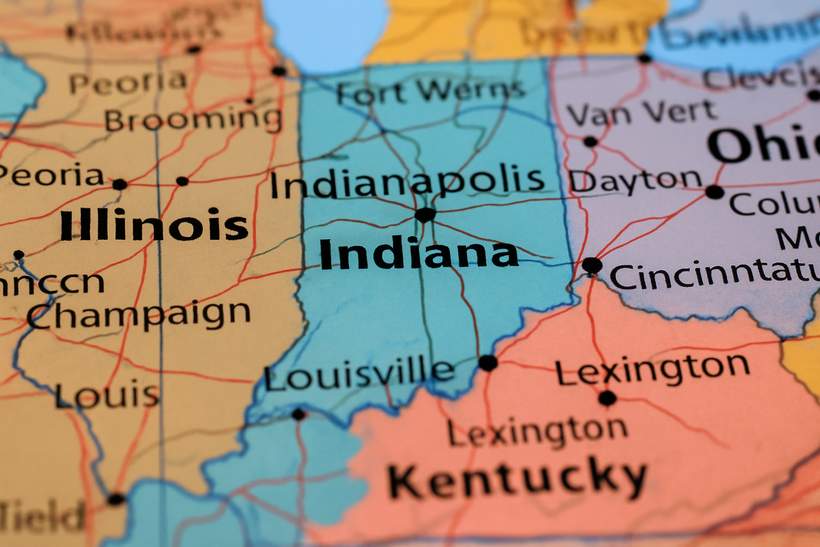
Indiana Moves Towards Online Lottery Sales
Lawmakers in Indiana are discussing two important proposals aimed at enhancing the state lottery system. One proposal focuses on allowing lottery tickets to be sold online, which would modernize the way residents can participate in the lottery. The other proposal is directed at regulating sweepstakes social casinos, a type of gambling currently operating without clear oversight.
Advancing Digital Lottery Sales Amid Changing Times
Supporters argue that Indiana risks falling behind other states that have embraced digital lottery platforms, resulting in missed opportunities for generating revenue. As more residents become comfortable with digital banking and online shopping, the prospect of buying lottery tickets over the internet seems like a natural progression. Jared Bond, the external affairs director for the state lottery, advocates for this modernization.
House Bill 1078, championed by Representative Ethan Manning, recently passed through the House Public Committee with a favorable 9-3 vote. Despite this progress, the bill still needs to navigate further legislative hurdles, including approval from the state Senate and the governor’s endorsement. However, there is little organized opposition, and many view online lottery sales as an inevitable step forward.
The legislative approach also tackles sweepstakes social casinos within the same draft, aiming to address concerns about unregulated gambling while securing wider support.
Concerns Surrounding Sweepstakes Gambling
Not all stakeholders are enthusiastic about expanding online lottery sales, especially when linked with the issue of sweepstakes gambling. Lisa Hutcheson, vice president for prevention and policy at Mental Health America of Indiana, warns that the state should learn from the challenges faced after legalizing sports betting—particularly the rise in gambling addiction among young men. She cautions that broadening online lottery availability might exacerbate these problems, even though the lottery sector generally has a lower risk for problematic gambling.
House Bill 1052, introduced by Representatives Peggy Mayfield and Justin Moed, aims to curb sweepstakes gambling by imposing stricter regulations or a complete ban. This move parallels actions taken by other states like New York and California, which have already implemented comprehensive bans on sweepstakes gambling.
