
Indiana Considers $750 Million Casino Project in Indianapolis
Major Casino Development Proposed for Indianapolis
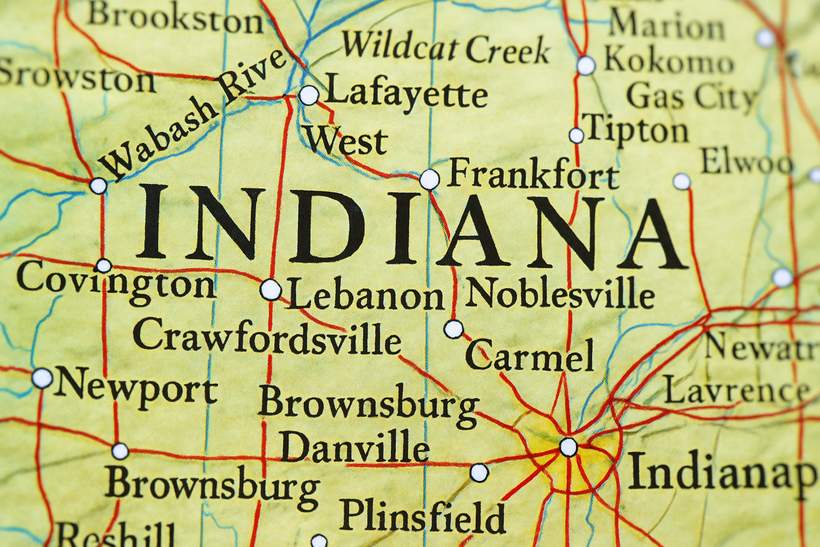
The Indiana legislature is evaluating a significant proposal that could transform the state’s gambling landscape. Senate Bill 244, introduced by Senator Aaron Freeman, aims to permit Full House Resorts to move its gaming license from the small town of Rising Sun to Marion County, Indianapolis. This move would pave the way for a new $750 million casino development in the city.
Indianapolis: A Strategic Location for a Casino
Supporters of the bill emphasize that Indianapolis is an ideal location due to its status as Indiana’s largest population center and a major hub for conventions, sports, and entertainment. An independent study estimates that a downtown Indianapolis casino could generate approximately $170 million annually in gambling tax revenue and around $500 million in gross gaming revenue each year.
Senator Freeman views the placement of casinos pragmatically, believing that licenses should be allocated to locations that maximize returns. He sees a casino in Indianapolis as a natural fit given the city’s steady influx of tourists attending conventions, professional sports events, and other major activities.
“If the goal is revenue, you put a casino in downtown Indianapolis every day of the week and twice on Sunday.”
Indiana Senator Aaron Freeman
Full House Resorts has considered relocating its Rising Sun casino for several years due to increased competition from expanded gambling in neighboring Ohio and Kentucky, which has diverted customers. Although a previous attempt to move the license to Allen County was unsuccessful, this new proposal in Indianapolis represents a significant opportunity.
Conditions and Competition Surrounding the Proposal
Senate Bill 244 outlines several requirements for Full House Resorts to complete the transition. These include paying a $25 million licensing fee, investing a minimum of $750 million in the new Marion County project, and compensating Rising Sun and Ohio County with one year’s worth of tax revenue. Additionally, the company must gain the endorsement of Rising Sun’s mayor.
However, the Indianapolis plan is not without rivals. House Bill 1038, a competing proposal, calls for issuing a new casino license specifically for Allen County, with a minimum investment of $500 million. This proposal has garnered strong support from the Fort Wayne business community, who believe a casino there could generate jobs and stimulate the local economy.
Despite promising economic benefits, both proposals face opposition. Critics express concerns about gambling addiction and associated social impacts, while some question whether casino projects contribute to sustainable growth. Existing casinos also worry that a new downtown Indianapolis location could draw customers away from established venues. Legislators must now weigh the benefits of increased revenue against protecting current markets and communities.
