
Harry Reid International Airport Plans Major Modernization to Meet Future Demand
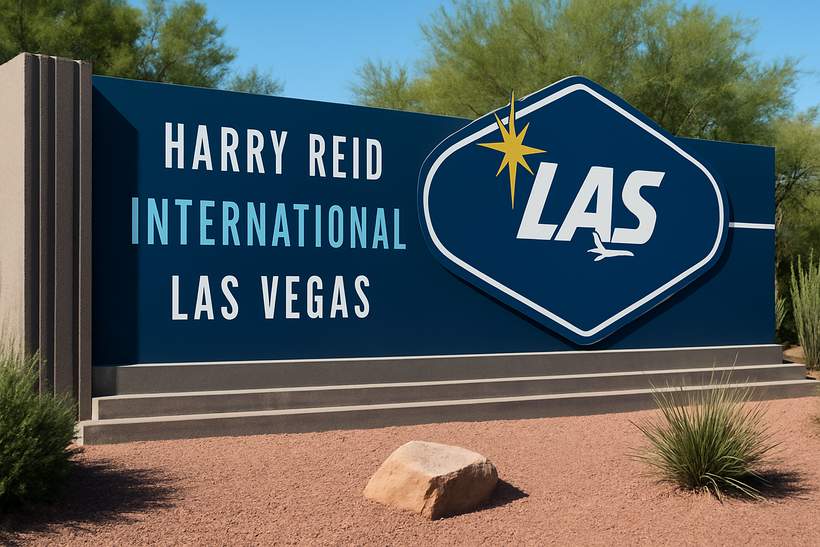
Airport Modernization to Meet Growing Passenger Demand
Harry Reid International Airport is set to undergo a significant upgrade as Clark County officials move forward with a comprehensive modernization plan. The airport has faced capacity challenges, especially during high-traffic events like the recent Consumer Electronics Show, which saw a surge of visitors pushing the airport close to its limits.
Projected Completion Date and Expansion Strategy
County aviation leaders emphasize that the expansion needs to be carried out without interrupting the crucial events and activities that drive Southern Nevada’s economy. The tourism industry, vital to the region, is bouncing back strongly from the impacts of the COVID-19 pandemic through a diverse lineup of sports and trade events.
Harry Reid International currently serves nearly 65 million passengers each year. However, ongoing growth trends suggest the airport will be unable to handle passenger volumes effectively by 2033, necessitating a multi-billion-dollar renovation effort.
The project, still in the design phase, anticipates formal approval by 2028, with construction commencing around 2029. The timeline includes improvements to roadways by 2030, new transit centers by 2033, and a full terminal overhaul completed by 2034.
Enhancing Airport Facilities and Connectivity
A major focus of the plan is the renovation of Terminal 1, which will increase the number of gates from 39 to 65. This expansion aims to alleviate congestion, shorten walking distances for travelers, and provide greater operational flexibility during peak times.
Terminal 3 will be renamed Terminal 2, receiving updates including expanded ticketing areas, modern baggage handling systems, and advanced self-bag-drop technology. Additionally, the introduction of an elevated flyover roadway is proposed to connect terminals directly and separate airport traffic, reducing congestion on nearby roads and improving safety.
Connectivity to Las Vegas will be improved through two new multimodal transit hubs designed to accommodate ride-hailing services, public transportation, and employee parking, which should ease traffic within the airport area.
Future Plans and Regional Impact
Looking further ahead, officials are examining the possibility of constructing a supplemental airport to the south near Jean and Primm. This facility would help distribute passenger traffic more evenly across the region.
Local leaders recognize that efficient airport operations are a key factor in sustaining economic growth for the area. By addressing current transportation challenges, the modernization plan aims to support long-term prosperity and maintain Las Vegas’s role as a premier travel destination.
