
Finland Progresses with Gambling Reform Despite Strong Opposition
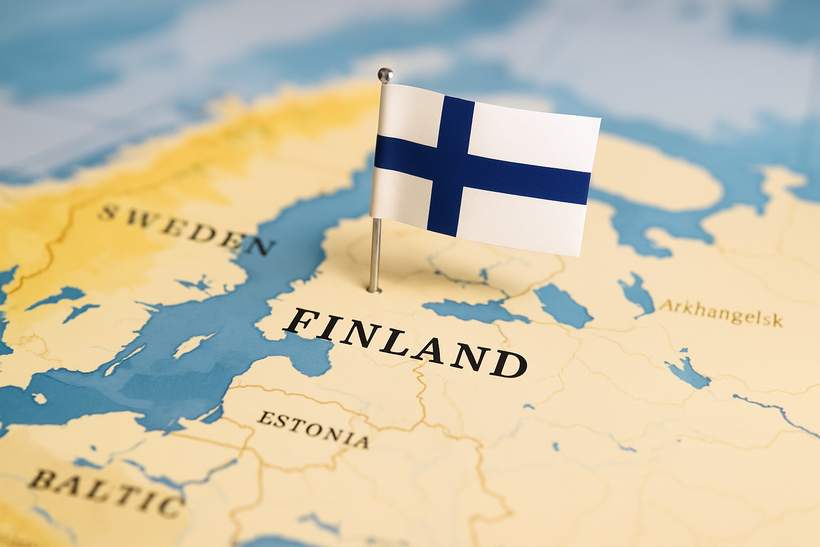
Overview of Finland’s Gambling Reform Progress
Finland is approaching the conclusion of its anticipated gambling reform after a lengthy process filled with debate and resistance. Recently, the parliament dismissed all key proposals submitted by opposition parties, allowing the government’s online gambling legislation to advance largely untouched. A final parliamentary vote is expected soon.
Key Features of the Proposed Legislation
The new bill aims to end Finland’s existing online gambling monopoly and introduce a multi-license framework. While this core idea is supported by the ruling parties, the legislation has sparked intense discussions regarding player protection, advertising limitations, and the speed at which the market should be liberalized.
Opposing members of parliament advocated for stricter controls. Their proposals included increasing the minimum gambling age from 18 to 20, requiring mandatory two-factor authentication for user logins, enforcing uniform deposit and loss limits across licensed operators, and banning gambling bonuses entirely. Additional suggestions sought to raise the gambling tax to 25.5% of gross gaming revenue.
Advertising restrictions were a particularly debated topic among the opponents. They pushed for banning gambling advertisements on television and radio stations for all licensed providers except Finland’s existing monopoly operator, and called for a complete ban on gambling ads at sporting and public events. They also wanted prominent warning labels similar to tobacco products and restrictions on direct marketing to individuals under 24 years of age.
Outcome and Implications for Finland’s Gambling Market
Despite the vigorous proposals, none of the amendments passed. Each was voted on as an entire package and rejected decisively by a margin of 153 to 21, with 25 members absent. Most backers of the amendments belonged to the Green and Left Alliance parties, receiving limited support elsewhere.
Antti Koivula, chief compliance officer at new Finnish market entrant Hippos ATG, commented that this result was expected, indicating that only significant changes in government could potentially alter the legislation, though even then changes remain unlikely shortly.
The law is not perfect, but it represents a significant and long-awaited step forward. I personally view this as a very positive milestone for Finland.
Antti Koivula, Chief Compliance Officer, Hippos ATG
With the rejection of amendments, Finland is moving closer to opening its online gambling market in 2027. Most of 2026 will focus on implementing the licensing framework and preparing operators for market entry. As the national elections scheduled for April 2027 approach, attention remains on execution rather than revisiting legislation.
