
Federal Review Casts Doubt on Vallejo Casino Project
Federal Authorities Question Vallejo Casino Development
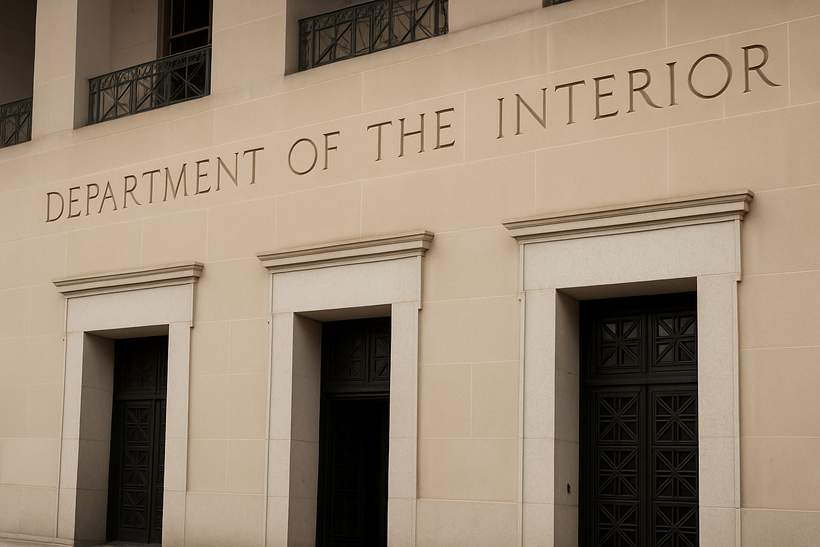
A $700 million casino planned on the northern edge of Vallejo is facing new uncertainty as federal officials review the validity of the project’s previous approval. The proposal, which has sparked both support and opposition locally, is now under renewed examination by the United States Department of the Interior.
Interior Department Accelerates Review of Scotts Valley Band’s Casino Rights
The U.S. Department of the Interior has notified the Scotts Valley Band of Pomo Indians that it will expedite its review concerning the tribe’s right to establish the casino. This expedited process may influence the ultimate fate of the large-scale development.
Federal officials recently sent a letter to Tribal Chairman Shawn Davis outlining additional review procedures and cautioning against assuming the prior authorization remains guaranteed. The letter highlighted new evidence submitted this spring by surrounding tribes and other interested parties, questioning whether the Vallejo site qualifies as “restored lands” under the Indian Gaming Regulatory Act, an essential factor for gaining gaming approval.
The project is proposed on roughly 160 acres near the intersection of Interstate 80 and Highway 37. It envisions a casino operating around the clock, along with new housing, office spaces, parking facilities, and a large nature preserve. Proponents emphasize the job creation and economic growth that could result, though the initiative also intensifies ongoing debates over historical land claims in Solano County.
Heightened Federal Scrutiny Fuels Conflict Over Ancestral Land Claims
The Yocha Dehe Wintun Nation, whose Patwin ancestors historically inhabited the region, has welcomed the Interior Department’s renewed scrutiny. Tribal officials have long urged federal authorities to examine evidence they believe undermines the Scotts Valley Band’s asserted historic ties to Vallejo. They have also disputed claims citing Pomo leadership lineage as ancestral residency in the area, labeling these assertions as inaccurate interpretations.
This intensified federal evaluation follows an October ruling by a U.S. District Court judge, who found that the Interior Department violated the Scotts Valley Band’s due-process rights when it removed their gaming eligibility without prior notice. The judge ordered the agency to remedy this procedural lapse but clarified that the decision did not restrict the department from a comprehensive reassessment or revocation of approval if warranted.
Tribal Chairman Shawn Davis acknowledged that the court’s recognition of the due process concern aligns with the tribe’s ongoing requests throughout the dispute. He reaffirmed that the land’s trust status remains unchanged and that the tribe retains its gaming eligibility during the ongoing review.
Davis added that planning efforts persist while federal authorities have requested a meeting with the tribe before the end of January and urged submission of additional supporting documentation. As this review continues, the final outcome for one of the region’s most controversial development proposals remains uncertain.
