
Ex-New Jersey Governor Criticizes Prediction Markets and Raises Legal Concerns
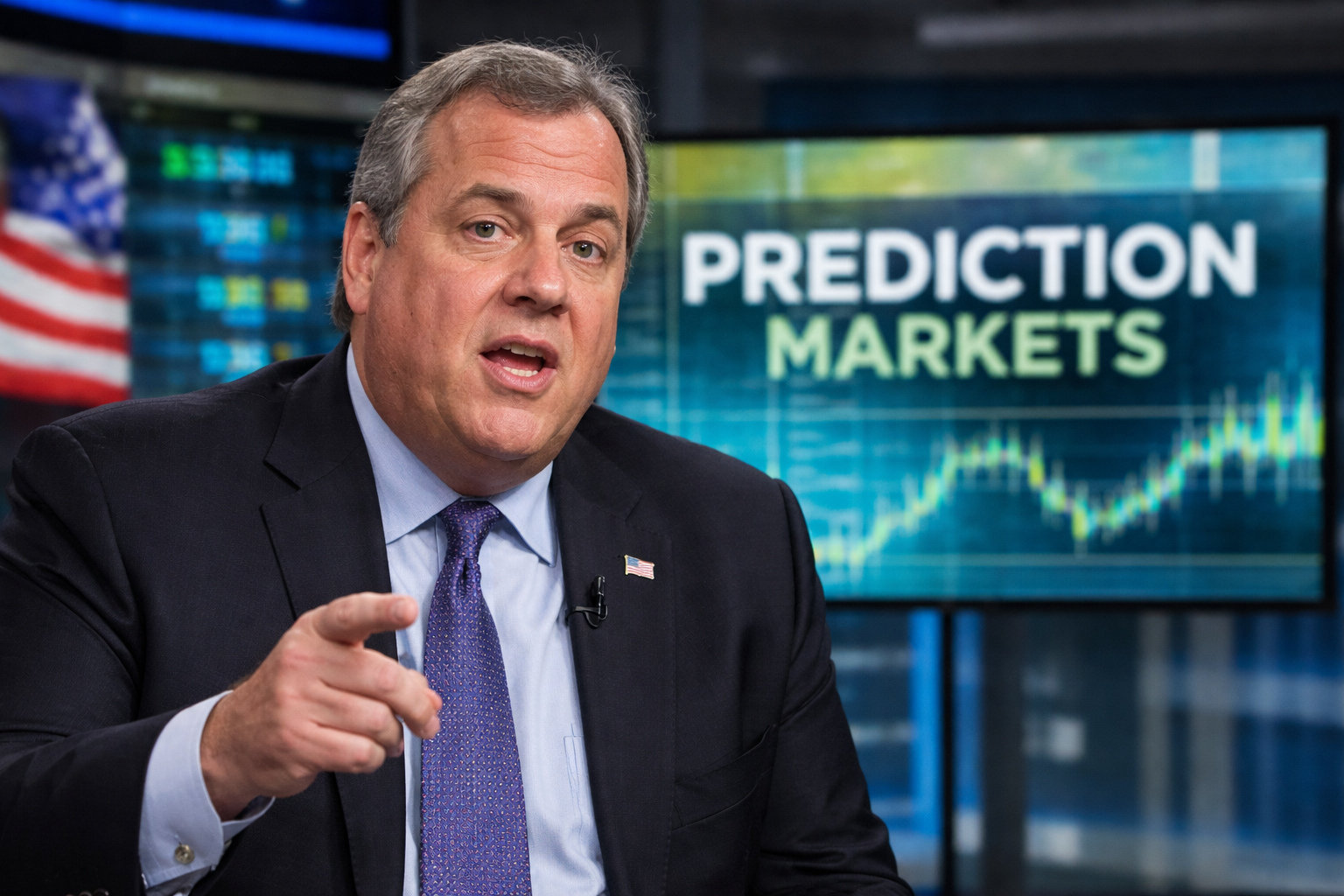
Prediction Markets Draw Scrutiny Following Controversial $436,000 Win
Prediction markets have recently come under intense examination after a notable $436,000 payout occurred on Polymarket, triggered by a wager predicting the downfall of Venezuelan President Nicolás Maduro by the end of January.
This significant bet was placed just hours before U.S. President Donald Trump announced the capture of Maduro, raising questions about the potential for insider knowledge influencing the outcomes of these markets.
Former New Jersey Governor Chris Christie Questions Legal Standing of Prediction Markets
Speculation has arisen whether individuals with privileged information leveraged prediction market platforms to profit from upcoming events. However, former New Jersey Governor Chris Christie focuses less on what these markets are used to bet on but more on their legality and the lack of consumer protections offered. He has characterized these platforms as “illegal” and “harmful”.
Christie expressed his concerns during a discussion with CNBC’s Contessa Brewer shortly after joining the American Gaming Association as a strategic advisor. The association has publicly criticized prediction markets, even losing some major members who opted to start their own ventures instead of following the group’s stance.
“These markets are, at their core, against the law and must be shut down. They operate illegally because betting on sports outside of state-regulated systems is not allowed,” Christie stated, drawing parallels between prediction markets and sports betting. He further highlighted that the Commodity Futures Trading Commission (CFTC) may not oversee these platforms.
Concerns About Lack of Regulation and Potential for Manipulation
Christie believes that platforms defending their legality do so despite the improper nature of their operations. He emphasized that licensed sports betting companies and gaming regulators adhere to strict ethical standards, which prediction markets often do not follow or enforce effectively.
He also pointed to the risk of these unregulated markets undermining collegiate sports integrity, particularly NCAA competitions. Christie warned, “Consider how easily such platforms could be exploited — a large bet could be placed to dissuade an athlete from entering the transfer portal. This not only skews the competition but also has the potential to corrupt young athletes and alter the essence of the sport.”
