
Curaçao Regulator Removes BC.Game License Revocation from Public Records
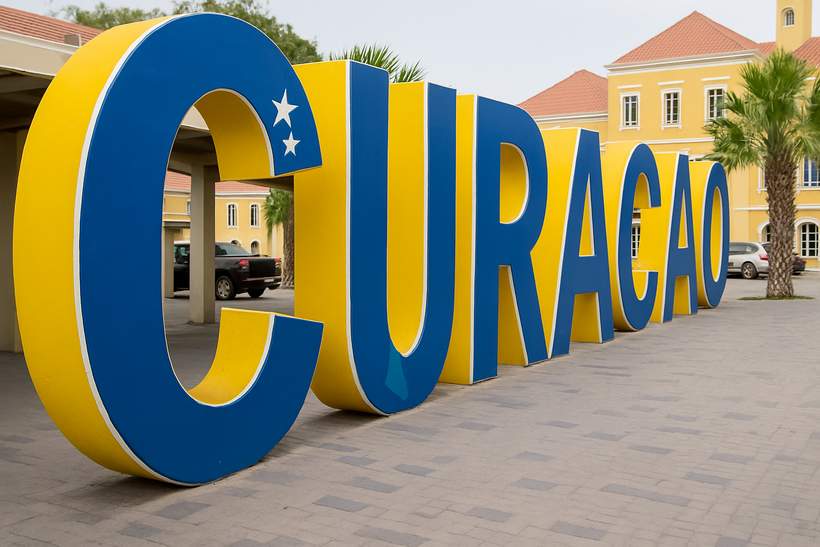
The Curaoo Gaming Authority’s Unexpected Move
The Curaoo Gaming Authority (CGA) recently made a surprising decision by taking off the public list the license revocation for Small House B.V., the parent company of BC.Game, along with another operator, Rabidi N.V. This action has sparked speculation within the industry that both companies might be preparing to reenter the market with new operational structures.
BC.Game’s Regulatory Challenges and Licensing Issues
BC.Game, known as a crypto casino brand with historical ties to the Premier League football club Leicester City, has faced persistent regulatory hurdles over the past couple of years. The company voluntarily withdrew its license from Curaoo before any formal announcement from regulators, citing an increasingly difficult environment for international businesses in the jurisdiction. Currently undergoing bankruptcy proceedings, which some insiders believe may soon be reversed, BC.Game continues to fuel rumors about a potential comeback.
Following the exit from Curaoo, BC.Game shifted its licensing to Anjouan, one of the alternative jurisdictions issuing gaming licenses. This move has attracted scrutiny from European authorities monitoring financial transactions for signs of money laundering, increasing pressure on the operator to comply with tighter regulations.
Complications have also arisen from internal disputes over ownership and financial responsibilities. When the original parent company, Blockdance, transferred assets to Small House B.V., debts were not included. Plaintiffs in Curaoo argue that Small House kept the business running and therefore should be liable for outstanding player claims. Legal battles over millions in disputed debt continue to unfold.
Impact of New Regulations and Uncertain Future
The scandal surrounding BC.Game gained considerable attention in the UK in late 2024, especially due to the company’s bankruptcy and its sponsorship connections. This led UK gambling authorities to consider imposing stricter rules on white-label sponsorships in the industry.
Meanwhile, Curaoo is ramping up regulatory enforcement. The CGA has proposed new rules necessitating that licensed operators establish physical offices on the island and employ key personnel locally. Amendments to the National Ordinance on Games of Chance (LOK) also require operators to collaborate with certified mediators for resolving player disputes that remain unsettled. These initiatives indicate a significant shift towards enhancing corporate accountability and ensuring that gambling operators contribute more visibly to the local economy.
With BC.Game removed from Curaoo’s canceled license list, the company could have an opportunity to restore credibility. However, it remains unclear whether BC.Game intends to return under the jurisdiction’s updated regulations or if this administrative adjustment is merely procedural. Meanwhile, BC.Game holds two licenses in Kenya as it continues to pursue expansion across Africa.
