
Churchill Downs Challenges Maine’s Tribal-Exclusive iGaming Law
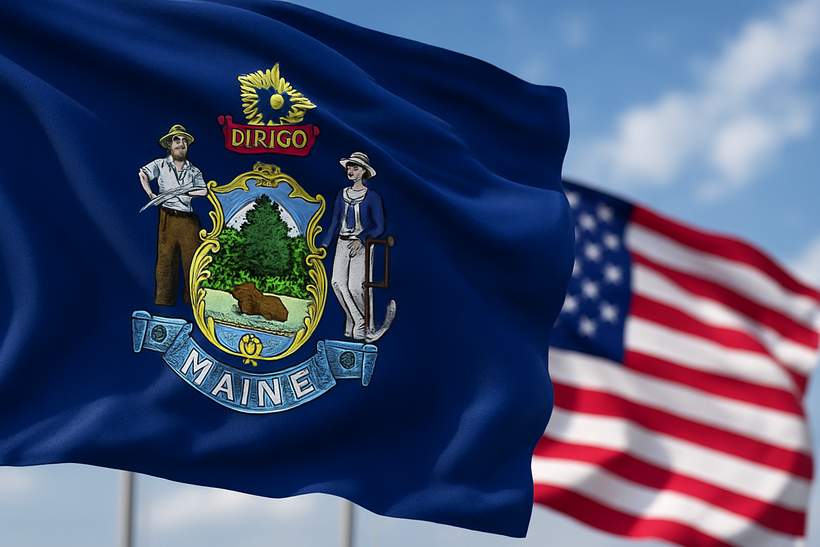
Churchill Downs Opposes Maine’s Tribal iGaming Monopoly
Maine’s recent legislation granting exclusive rights to local tribes for operating online casino gaming has faced opposition from Churchill Downs. The company expressed concerns that this move could negatively impact traditional brick-and-mortar casinos like its Oxford Casino, which plays a significant role in supporting the local economy.
Maine Joins the List of States Allowing Legal iGaming
Maine has become the eighth state to legalize online casino gaming, choosing a tribal-centered approach. This development follows the state’s passage of a law permitting federally recognized Native American tribes to provide iGaming services to players within Maine.
The law, recently signed by Governor Janet Mills, authorizes four federally recognized tribes to operate online casino platforms legally across the state.
The tribes authorized include:
- Houlton Band of Maliseet Indians
- Mi’kmaq Nation
- Passamaquoddy Tribe
- Penobscot Nation
Despite this authorization, Churchill Downs and Oxford Casino contend that this legislation is unconstitutional and have initiated legal action to halt its implementation.
Oxford Casino Claims the Law is Unfair and Harmful to Local Jobs
On January 23, Oxford Casino filed a formal complaint in the U.S. District Court for the District of Maine, arguing that permitting only tribal entities to offer iGaming would severely harm established casino businesses. The casino emphasized that it employs nearly 400 people and serves as a vital economic contributor in the region.
Churchill Downs cited studies suggesting that introducing iGaming exclusively through tribes could lead to significant job losses and reduced tax revenue statewide. Oxford Casino alone contributed over $40 million in taxes in 2025. Furthermore, data from other states indicate an average 16% decrease in revenue for land-based casinos following the launch of online gaming.
The commercial nature of the iGaming market would allow casinos like Oxford to compete effectively by offering their own online gambling options. However, the tribal-exclusive law restricts non-tribal operators from entering the iGaming arena, which Oxford Casino argues is an unfair competitive disadvantage.
Oxford Casino expressed regret at the state’s choice to implement iGaming in a way that limits fair competition among all casino operators.
In other related developments, Minnesota courts recently upheld the use of dealer-assist gaming machines at a racetrack casino, despite opposition from tribal groups, highlighting ongoing tensions between tribal and non-tribal gaming interests.
